All Categories
Featured


Emergency Situation Foreclosure Intervention Methods for the Year 2026
Table of Contents
- – Recognizing Legitimate Assistance in 2026
- – The Function of Nonprofit Credit Counseling
- – Vetting Red Flags in the Debt Relief Market
- – Evaluating Accreditation and Therapist Certif...
- – The Effect of Geographic-Specific Providers
- – Questions to Ask Before Registering
- – Understanding Legal Financial Obligation Relie...
Recognizing Legitimate Assistance in 2026
Families and individuals facing financial pressure in 2026 must browse a marketplace filled with both essential resources and predatory traps. As interest rates on unsecured credit remain a substantial factor in family budget plans, the requirement for clear, unbiased vetting of debt relief entities has never ever been higher. Comparing a high-fee settlement firm and a not-for-profit credit counseling agency needs an appearance at federal approvals and tax status. The majority of experts suggest beginning with companies that hold a 501(c)(3) designation, as these entities operate under strict federal standards concerning their objective and charge structures.
The Department of Justice keeps a list of authorized credit therapy firms particularly for those thinking about insolvency, however these very same organizations frequently provide more comprehensive services. These firms provide totally free credit therapy and financial obligation management programs that do not require declare insolvency. Experts who focus on Debt Restructuring recommend reviewing organizational history and confirming that a company is member-certified by nationwide bodies. This initial check prevents numerous of the common mistakes related to aggressive marketing seen in the debt relief sector.
The Function of Nonprofit Credit Counseling
Nonprofit firms provide a different experience compared to for-profit settlement companies. In 2026, the main tool for lots of consumers is the Financial obligation Management Program (DMP) Unlike debt settlement, which motivates stopping payments to creditors, a DMP concentrates on consistent, structured repayment. The company works out directly with creditors to decrease rates of interest and waive late fees. This procedure consolidates several high-interest commitments into a single regular monthly payment, which is then distributed to the numerous creditors by the agency.
Legal securities for consumers have tightened up substantially. Agencies must disclose all fees in advance, and nonprofit models normally keep these expenses low, often waiving them for those who satisfy particular earnings criteria. Your local community often has access to these services through collaborations with neighborhood groups or banks. Since these programs are developed to repay the complete principal, they tend to have a less severe impact on credit rating than settlement or bankruptcy. This makes them a favored choice for those looking to preserve their monetary standing while addressing their liabilities.
Vetting Red Flags in the Debt Relief Market
Vigilance is required when experiencing business that make bold pledges. In 2026, the Federal Trade Commission continues to alert versus any entity that requests in advance charges before they have actually settled or lowered any of your financial obligation. This is a violation of federal law for for-profit telemarketers. If a business declares it can make your debt "disappear" or "work out for cents on the dollar" without discussing the substantial threats to your credit and the capacity for legal action from creditors, it is likely a fraud.
Validate if the firm has a physical presence or a history of service in your state. While lots of companies run nationwide, those with local ties often have a better understanding of state-specific consumer defense laws. Talking to the Bbb and state attorney basic offices remains a basic step in the vetting process. Professional Debt Restructuring Services has ended up being a staple for those looking for stability, but just when coupled with transparency and realistic expectations. A legitimate company will never ever push an individual to sign a contract during the very first assessment.
Evaluating Accreditation and Therapist Certification
Quality debt relief is rooted in the education of the therapist. In 2026, respectable companies need their staff to be licensed by independent third celebrations. These accreditations ensure the counselor comprehends the intricacies of customer law, budgeting, and the emotional aspects of monetary tension. Additionally, a company should be recognized by an organization like the National Foundation for Credit Therapy (NFCC) or the Financial Therapy Association of America (FCAA)
Real estate therapy is another area where vetting is uncomplicated. Just HUD-approved firms need to be relied on for mortgage-related advice or foreclosure avoidance. These companies go through extensive audits to ensure they offer objective info. Debtors regularly look for Debt Relief in Missoula when their month-to-month responsibilities become uncontrollable. If a firm provides pre-bankruptcy counseling and pre-discharge debtor education, they need to be on the particular list of service providers authorized by the U.S. Trustee Program. This approval is a strong sign of the company's authenticity and adherence to federal standards.
The Effect of Geographic-Specific Providers
While the digital age enables for remote assessments, the value of geo-specific services in 2026 can not be neglected. Agencies that partner with local nonprofits and neighborhood groups in the local region typically offer a more customized technique. These organizations comprehend the regional job market, expense of living, and particular state programs that might use extra relief. Some states have particular grants for utility help or property tax relief that a national-only company may neglect.
Community-based collaborations likewise extend the reach of monetary literacy education. Lots of not-for-profit agencies work with local cooperative credit union and libraries to use workshops on budgeting and credit structure. These educational elements are typically offered complimentary of charge and act as a preventative measure against future financial obligation cycles. Handling debt is rarely simply about the mathematics; it includes understanding the local economic factors that contribute to monetary instability. Dealing with a firm that has a presence in the United States and its various sub-regions ensures a broader perspective on readily available resources.
Questions to Ask Before Registering
Before dedicating to any program, a thorough interview with the firm is essential. A legitimate therapist will hang around reviewing your whole financial image, including earnings, possessions, and all costs, not simply your charge card balances. If the "therapist" acts more like a salesperson focusing only on one product, it is an indication to look in other places. You ought to inquire about the particular charges included, how frequently they send out reports to your financial institutions, and what occurs if you miss a payment to the program.
Transparency relating to the timeline of the program is likewise an aspect. A lot of financial obligation management programs are developed to be completed in 3 to five years. Any guarantee of a much shorter timeline for substantial debt ought to be viewed with uncertainty. Nonprofit credit therapy emphasizes sustainable habits rather than quick repairs. The goal is to leave the program not just with less financial obligation, but with the abilities to manage money efficiently for the long term. This academic focus is a hallmark of a firm that is really purchased the customer's success rather than just gathering a fee.
Understanding Legal Financial Obligation Relief Options
In 2026, the legal landscape surrounding financial obligation relief offers numerous courses, and an excellent vetting procedure assists figure out which is most proper. Beyond credit counseling and debt management, there are legal options such as Chapter 7 or Chapter 13 insolvency. A trustworthy firm will discuss these alternatives freely and might even supply the needed certificates for filing. They will explain that while bankruptcy is a tool of last hope, it is sometimes the most accountable course for those with no sensible way to repay their obligations.
Insolvency should be talked about without stigma however with a clear understanding of the repercussions. A vetted firm will describe the difference in between secured debt, like a mortgage or vehicle loan, and unsecured debt, like medical expenses or charge card. They will likewise highlight how various relief programs impact these classifications. This level of information is what separates a professional service from a generic financial obligation settlement operation. By taking the time to confirm credentials, inspect federal approvals, and ask the best questions, consumers can find the help they need to restore their monetary footing in a progressively intricate economy.

Table of Contents
- – Recognizing Legitimate Assistance in 2026
- – The Function of Nonprofit Credit Counseling
- – Vetting Red Flags in the Debt Relief Market
- – Evaluating Accreditation and Therapist Certif...
- – The Effect of Geographic-Specific Providers
- – Questions to Ask Before Registering
- – Understanding Legal Financial Obligation Relie...
Latest Posts

Comparing 2026 Debt Relief Options
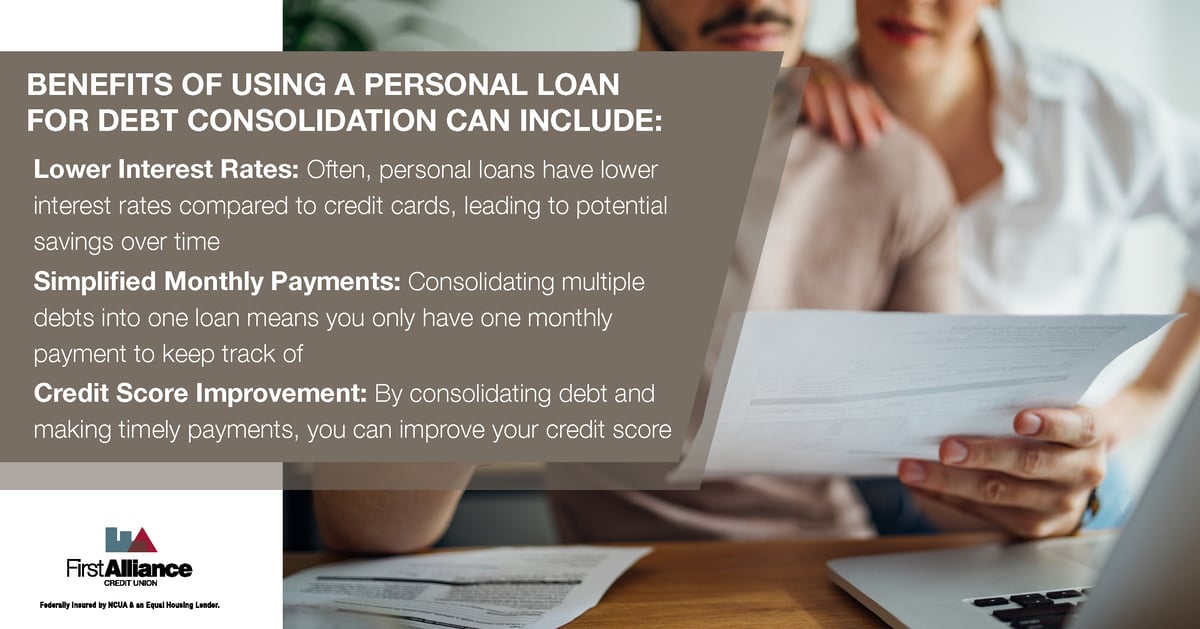
Accessing Low-Interest Loans for Managing Total Liability
Reviewing Effective Credit Programs in 2026
More
Latest Posts
Comparing 2026 Debt Relief Options
Accessing Low-Interest Loans for Managing Total Liability
Reviewing Effective Credit Programs in 2026